

Macro Forecast: October 13-17, 2025
Weekly Intelligence Brief
Executive Summary: The Convergence of Critical Catalysts
The trading week of October 13-17, 2025 presents a confluence of market-moving events that will define risk positioning through year-end. Three primary macro themes dominate: Federal Reserve policy recalibration amid government shutdown constraints, Q3 earnings season validation of economic resilience, and evolving geopolitical risk premiums across asset classes.
Primary Investment Thesis: We anticipate heightened volatility with selective opportunity creation as markets navigate data-scarce Fed decision-making, robust financial sector earnings, and commodity price dislocations from geopolitical tensions.
Federal Reserve Policy Outlook: Navigating in the Dark
October FOMC Meeting Dynamics
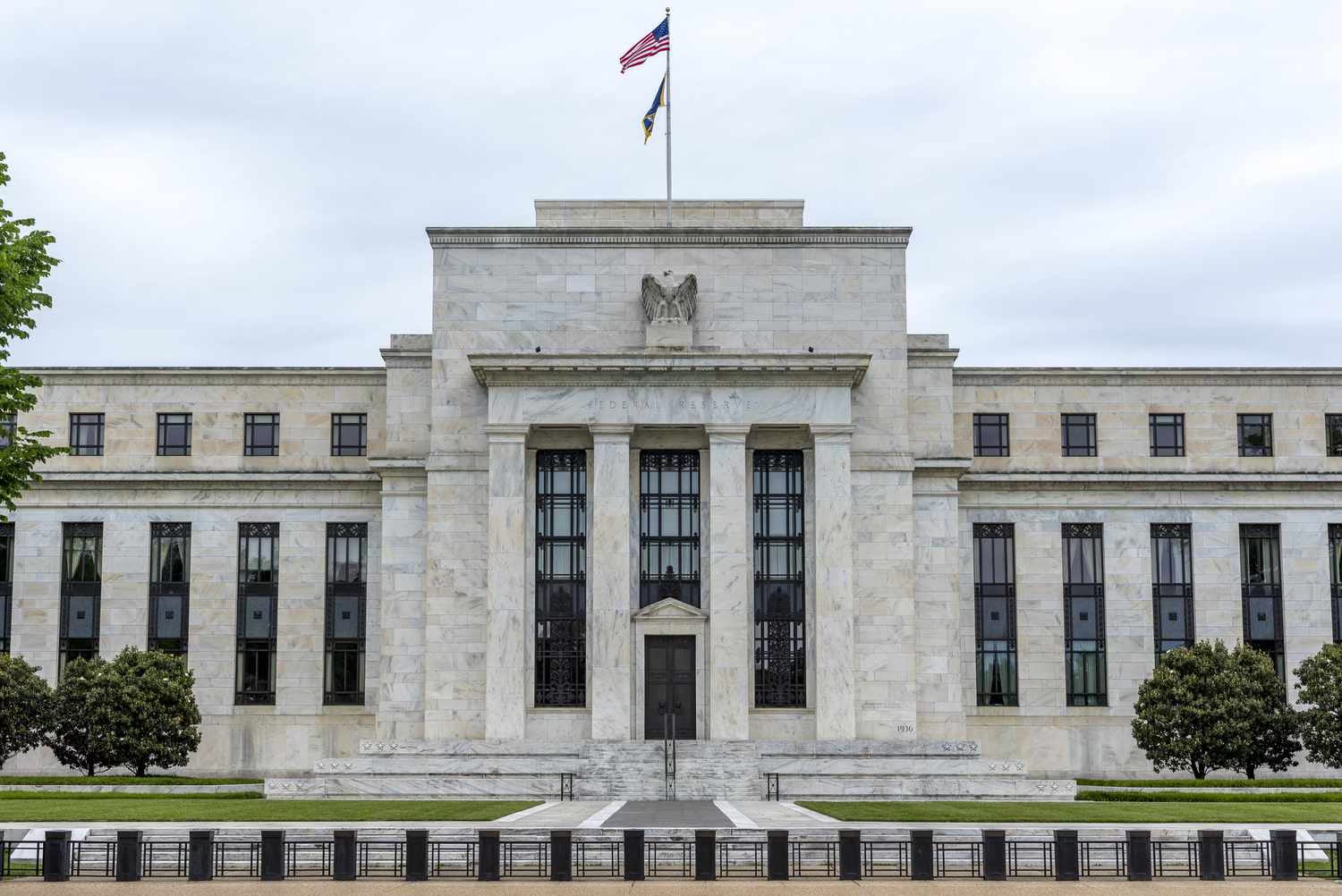
The Federal Reserve faces unprecedented decision-making constraints as the government shutdown enters its second week, creating a “flying blind” scenario for the October 28-29 FOMC meeting. Market expectations have crystallized around a 96-98% probability of a 25 basis point cut, bringing the fed funds rate to 3.75-4.00%.
Critical Fed Communications This Week:
Tuesday, October 14: Fed Chair Powell speech (4:20 PM ET)
Tuesday, October 14: Fed Waller speech (7:25 PM ET)
Wednesday, October 15: Fed Beige Book release (6:00 PM ET)
The September FOMC minutes revealed a divided committee on the pace of cuts, with officials split between two versus three total cuts for 2025. This division becomes more pronounced given the data blackout, with Powell likely to emphasize data-dependency while acknowledging information gaps.
Investment Implications:
Bond positioning: 10-year Treasury yields face conflicting pressures from Fed dovishness and term premium expansion
Dollar trajectory: DXY support at 98.6 remains critical; break below targets 97.80
Rate-sensitive sectors: Financials benefit from steeper yield curves; REITs face headwinds from persistent long-term rate elevation
Inflation Dynamics: The September CPI Crucible
Consumer Price Index (Wednesday, 8:30 AM ET)
September CPI represents the most crucial data release of the week, with consensus expecting headline inflation to hold at 2.9% year-over-year. However, Cleveland Fed nowcasting models suggest potential for 3.00% headline and 2.93% core inflation.
Key Components to Monitor:
Shelter costs: Previously contributing 3.6-3.7% annually, showing signs of moderation
Energy prices: Recent oil price declines (-6.6% gasoline year-over-year in August) providing disinflationary pressure
Used vehicles: Accelerated 6% year-over-year in August, up from 4.8%
The asymmetric risk profile favors upside surprises given services inflation persistence and potential tariff impacts, despite energy headwinds.
Producer Price Index (Thursday, 8:30 AM ET)
September PPI forecasts center on 2.5% year-over-year, down from 2.6% in August. The August report showed final demand prices declining 0.1% monthly, driven by services weakness offsetting goods strength.
Strategic Significance: PPI serves as a leading indicator for future consumer price pressures, particularly given supply chain disruptions and tariff implementations.
Earnings Season: Financial Sector Leadership
Banking Sector Catalyst Wave
The Big Six banks (JPMorgan, Bank of America, Citigroup, Wells Fargo, Goldman Sachs, Morgan Stanley) dominate earnings releases, with consensus expecting 10-15% year-over-year EPS growth.
Key Performance Drivers:
Investment banking revenues: M&A activity rebound following tariff clarity and regulatory relaxation
Trading revenues: Elevated volatility environments boosting FICC and equity trading desks
Net interest income: Benefiting from steeper yield curves and loan growth acceleration
Credit quality: Stable charge-off rates with provisions approximately $8.38 billion across major banks
Tuesday, October 14 Spotlight:
JPMorgan Chase: EPS estimate $4.66 vs. $4.37 prior; Revenue $44.45B vs. $43.32B
Goldman Sachs: EPS estimate $10.49 vs. $8.40 prior; Revenue $13.68B vs. $12.7B
Citigroup: EPS estimate $1.86 vs. $1.51 prior; Revenue $20.85B vs. $20.32B
Investment Strategy: Financial sector outperformance likely to continue, driven by operational leverage to higher rates and robust capital markets activity.
Commodity Markets: Oil Price Trajectory and Implications
Energy Sector Dynamics
Oil markets face structural headwinds as global supply growth outpaces demand, with Brent crude forecasts declining to $68.64/barrel average for 2025 and $52.16/barrel for 2026. Current Brent trading around $64-65/barrel reflects oversupply concerns despite geopolitical risk premiums.
Supply-Demand Imbalances:
OPEC+ production increases: 137,000 bpd increase for November following October expansion
US production records: EIA forecasts larger-than-expected domestic output growth
Global inventory builds: Expected 2.6 million bpd accumulation in Q4 2025
Geopolitical Risk Factors:
Middle East tensions: Maintaining $5-10/barrel risk premium
Russia-Ukraine conflict: Continued supply chain disruptions
US-China trade tensions: Impacting energy demand forecasts
Investment Positioning: Energy sector faces fundamental headwinds despite short-term geopolitical support. Refined products and midstream infrastructure offer better risk-adjusted returns than upstream exploration.
Currency Markets: Dollar Index Technical Levels
DXY Critical Junctures
The US Dollar Index (DXY) trades near critical support at 98.6, with current levels around 98.978. Technical analysis suggests:
Support/Resistance Framework:
Key Support: 98.6 (daily close below signals failed breakout)
Resistance Zone: 99.88-100.00
Downside Target: 97.80 on support breach
Fundamental Drivers:
Federal Reserve dovishness: Supporting dollar weakness
Economic growth differentials: US resilience versus global slowdown
Safe-haven dynamics: Geopolitical tensions providing dollar support
Retail Sales: Consumer Resilience Test
September Retail Data (Wednesday, 12:30 PM ET)
September retail sales face downward pressure following the -0.66% month-over-month declinein NRF data, though 5.42% year-over-year growth demonstrates underlying consumer strength.
Sector Analysis:
Digital products: Leading growth at 21.35% year-over-year
Sporting goods/hobby: 8.81% annual growth with 0.74% monthly gains
Clothing/accessories: 7.35% yearly gains despite -1.06% monthly decline
Consumer Behavior Patterns: Strategic spending preservation ahead of holiday season reflects economic uncertainty while maintaining robust year-over-year comparisons.
Global Context: European and Chinese Developments
European Central Bank Positioning
ECB policy remains on hold with officials expressing comfort in the current “good place”. Philip Lane’s recent remarks emphasize data-dependent, meeting-by-meeting approach with no pre-commitment to rate paths.
Eurozone Risk Factors:
Stronger euro: Creating disinflationary pressures
US tariff impacts: Potential demand reduction for eurozone exports
Political uncertainties: French political dynamics and German fiscal stimulus delays
China Economic Momentum
Chinese economic data shows continued improvement with retail sales accelerating to 4.8% year-over-year in October from 3.2% in September. However, consumer confidence remains at 22-month lows, questioning sustainability.
Key Metrics:
Manufacturing investment: Robust 9.3% growth in Jan-Oct period
Property sector: Continued contraction -10.3% year-over-year
Infrastructure investment: Modest improvement to 4.3%
Risk Assessment and Positioning Recommendations
Primary Risk Factors
Data Scarcity Risk: Government shutdown creating Fed decision-making uncertainty
Earnings Disappointment Risk: High expectations for financial sector performance
Geopolitical Escalation Risk: Middle East tensions impacting energy and safe-haven flows
Inflation Persistence Risk: Services price pressures proving more stubborn than anticipated
Tactical Positioning Framework
Overweight Positions:
Financials: Benefiting from yield curve steepening and trading revenues
Energy Infrastructure: Defensive positioning in volatile commodity environment
Short-duration Treasuries: Fed easing cycle beginning while avoiding duration risk
Underweight Positions:
Long-duration bonds: Term premium expansion and fiscal concerns
Growth-sensitive commodities: Global economic uncertainty and China weakness
Rate-sensitive consumer discretionary: Higher-for-longer rate environment impact
Hedge Strategies:
VIX calls: Earnings season and Fed uncertainty creating volatility opportunities
Oil puts: Structural oversupply themes versus geopolitical premiums
Dollar strength: Safe-haven dynamics and Fed policy uncertainty
Week-Ahead Trading Calendar
Key Decision Points
Monday: NFIB optimism data sets small business sentiment tone
Tuesday: Powell speech clarity on Fed thinking; Banking earnings begin
Wednesday: CPI data determines Fed path; Retail sales confirm consumer health
Thursday: PPI validates inflation trends; Manufacturing data assessment
Friday: Week consolidation; Position adjustments ahead of FOMC
Conclusion: Navigating Uncertainty with Precision
The week of October 13-17, 2025 represents a critical juncture for macro positioning as markets balance Federal Reserve dovishness, corporate earnings resilience, and evolving geopolitical dynamics. Successful navigation requires tactical flexibility while maintaining strategic conviction in longer-term themes.
Key Success Factors:
Information arbitrage: Leveraging alternative data sources amid government shutdown
Sector rotation timing: Capitalizing on earnings-driven momentum shifts
Risk management discipline: Protecting capital amid elevated uncertainty levels
The convergence of monetary policy recalibration, earnings season validation, and geopolitical risk repricing creates both significant challenges and selective opportunities for sophisticated macro investors. Maintaining dynamic hedging strategies while positioning for medium-term structural themes remains paramount for alpha generation in this environment.